
PlayTellect ®
An adaptive learning platform designed to restore a child's natural ability to learn when stress makes learning inaccessible.

The Problem
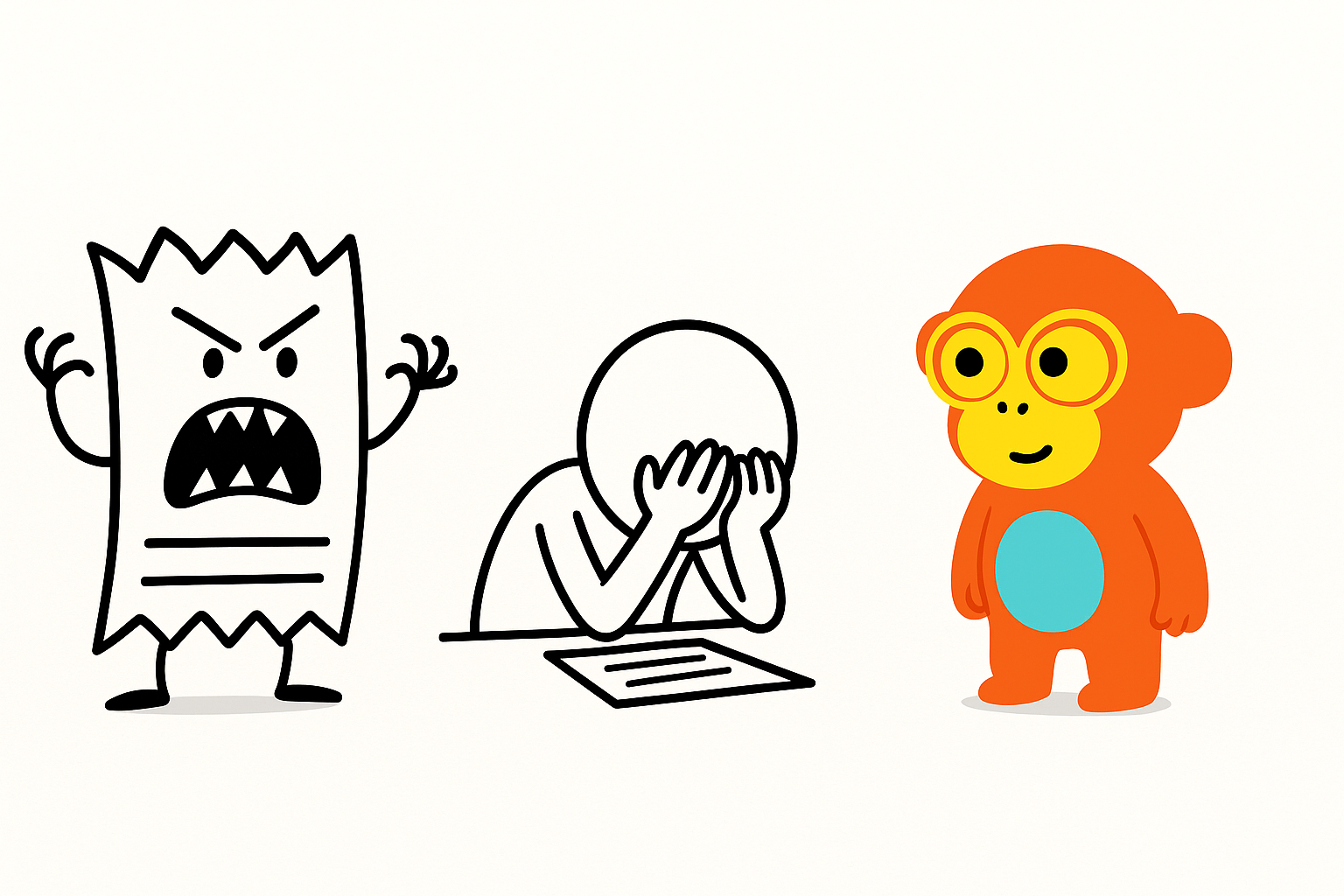
PlayTellect began from a simple observation: many children who appear unmotivated are not unwilling to learn — they are unable to enter learning in its current form.
Under stress, anxiety, or cognitive overload, traditional homework can become neurologically inaccessible. Repeated failure then creates avoidance, conflict at home, and gradual loss of learning identity.
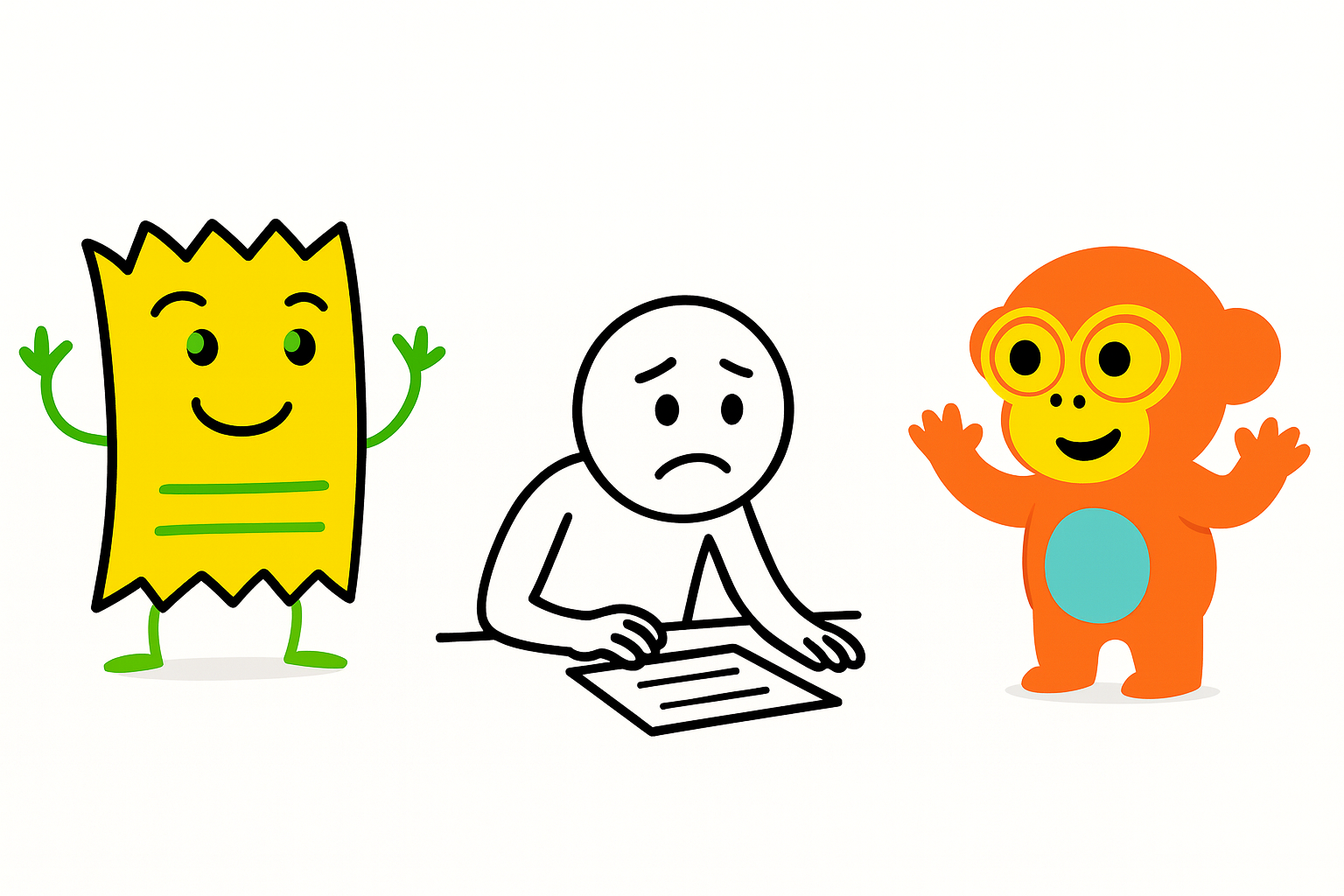
PlayTellect explores a different approach. Instead of increasing pressure or simplifying content, it redesigns how learning is experienced so that children can safely begin — one small interaction at a time.
The platform serves as an adaptive bridge between school expectations and a learner's current cognitive state, allowing participation to resume before confidence is restored.
The Approach
PlayTellect is the first implementation of Therapeutic Education. Not inspired by it — governed by it. The platform exists to test whether the paradigm holds in practice: whether learning, redesigned within its constraints, becomes possible again for children for whom it has stopped.
Development follows a research-aligned path: small-scale pilots, collaboration with educators and researchers, and gradual validation through observable learner engagement. For children, families, and teachers in need — PlayTellect is and will remain free.
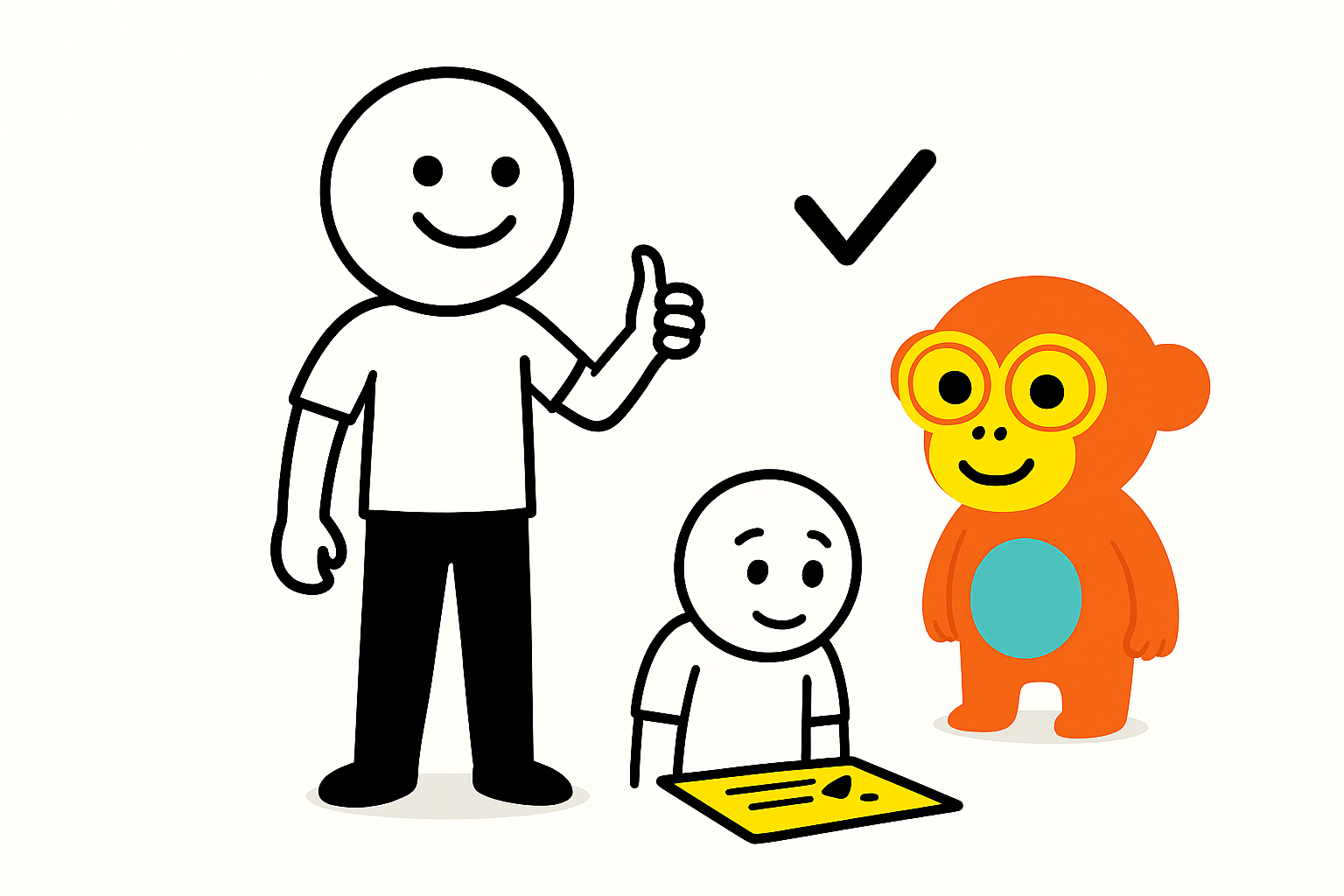
The long-term goal is not to replace education, but to make learning accessible again for children who are currently being left behind despite their ability and potential.
Early Support & Guidance
Therapeutic Education is being developed in public. These people and organizations have provided early support, feedback, or guidance.



Note: Support listed here does not imply endorsement of every statement or implementation. It acknowledges practical help toward making TE testable and usable.